


Artificial intelligence is becoming deeply embedded in programmatic advertising, and standardized AI workflows are often positioned as the next big breakthrough. Many vendors promise that unified frameworks and automated processes will solve inefficiencies across the ecosystem. Yet as adoption grows, a more complex reality is emerging: standardization alone does not guarantee better media outcomes.
At Screencore, we see AI workflows as powerful tools, but only when they are grounded in context, data quality, and strategic alignment. Without these elements, automation can simply scale existing problems rather than solve them. Understanding the limitations of standardized AI frameworks is essential for advertisers and publishers who want real performance gains instead of incremental improvements masked by technical buzzwords.
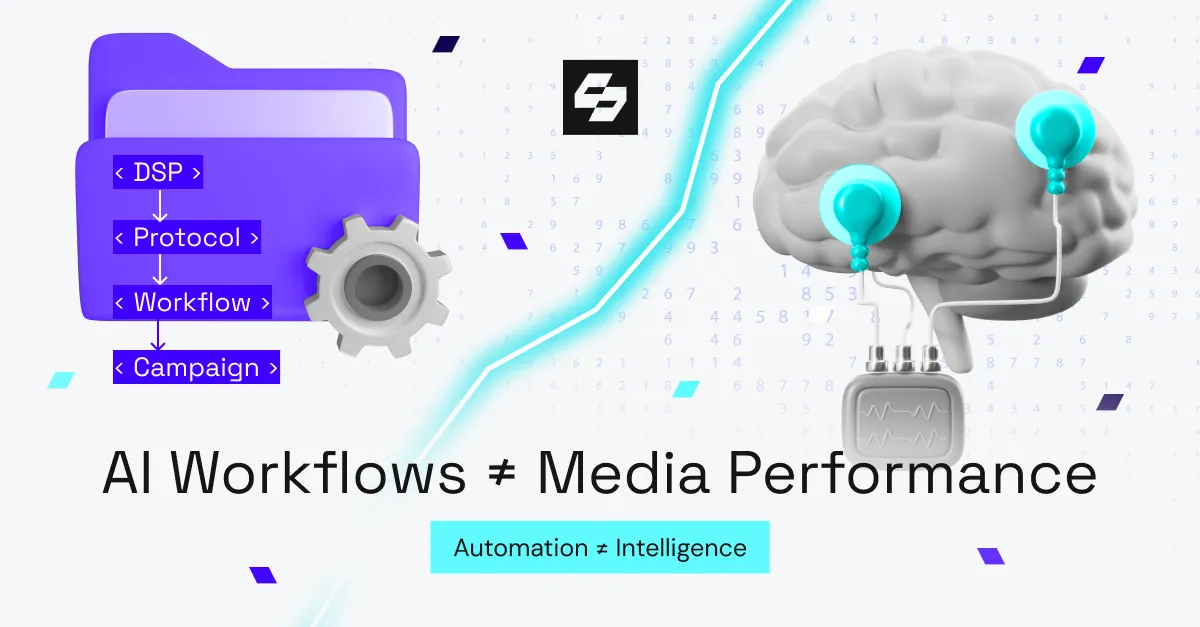
AI workflows in advertising organize execution across DSPs, protocols, and campaign layers, yet without strong signals and strategy, automation alone cannot improve outcomes.
The Rise of Standardized AI Workflows in Programmatic
Recent industry conversations highlight a growing enthusiasm around unified AI pipelines designed to orchestrate planning, bidding, and optimization across platforms. These frameworks aim to create consistent workflows that allow AI agents to interpret campaign objectives and execute decisions with minimal human input. The promise is compelling: fewer manual steps, faster activation, and improved operational efficiency.
However, the excitement around standardized AI workflows often overlooks a critical nuance. Automation frameworks define how decisions are executed, but they do not determine whether those decisions are correct. Industry discussions increasingly warn that standardized AI architectures can create a false sense of improvement, especially when underlying signals remain fragmented or misaligned. Even well-designed AI workflows can produce mediocre results if the data feeding them lacks context or accuracy.
In other words, structure does not equal strategy. Standardization helps systems communicate, but it does not replace the need for thoughtful media planning.
Why AI Workflow Hype Can Mislead Performance Expectations
The current narrative around AI in advertising often suggests that adopting standardized frameworks will automatically lead to better campaign performance. This assumption is risky. Programmatic advertising has always depended on signal quality, inventory transparency, and alignment between buyer objectives and publisher environments. AI workflows amplify these inputs rather than correct them.
When automation scales poor signals, it can accelerate inefficiencies. Algorithms may optimize toward the wrong metrics or reinforce biased data patterns. Instead of unlocking new value, standardized workflows can sometimes produce faster but less meaningful optimization cycles. The industry is beginning to recognize that AI success is less about adopting a universal workflow and more about ensuring that systems understand the context behind each decision.
For advertisers, this means questioning whether AI-driven processes are improving outcomes or simply increasing operational speed. For publishers, it highlights the importance of delivering clear, structured inventory signals that enable AI models to interpret value accurately.
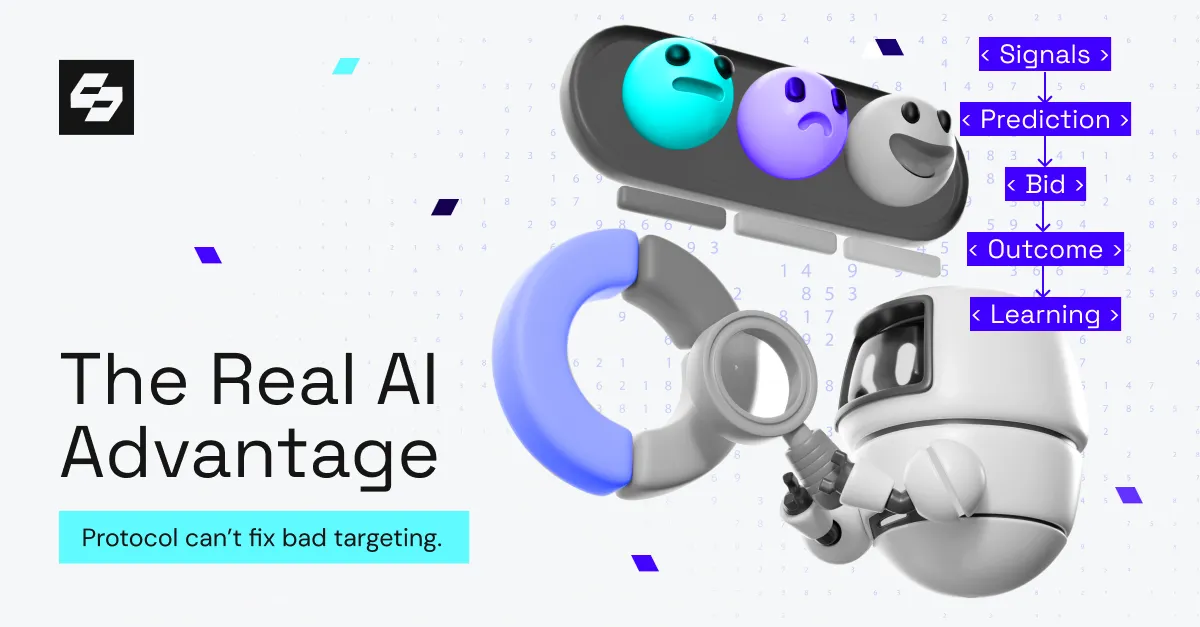
Programmatic AI continuously cycles through signals, predictions, bids, and outcomes, meaning poor data quality or misaligned targeting is amplified rather than corrected.
Context Still Drives Performance in an Automated Ecosystem
One of the biggest misconceptions surrounding AI workflows is the idea that automation eliminates the need for contextual understanding. In reality, context has become even more important as AI adoption grows. Algorithms rely on metadata, audience signals, and creative attributes to interpret where and how ads should appear. Without meaningful context, automation becomes blind optimization.
Programmatic environments are complex ecosystems where different inventory types, audience segments, and campaign goals interact constantly. Standardized workflows cannot fully account for these nuances on their own. Successful AI implementations depend on contextual frameworks that connect signals across platforms, ensuring that automation supports strategic intent rather than replacing it.
This is particularly relevant in Connected TV and premium video environments, where content signals and creative alignment play a major role in performance. AI workflows that ignore contextual quality risk driving volume instead of value, which can weaken long-term brand outcomes.
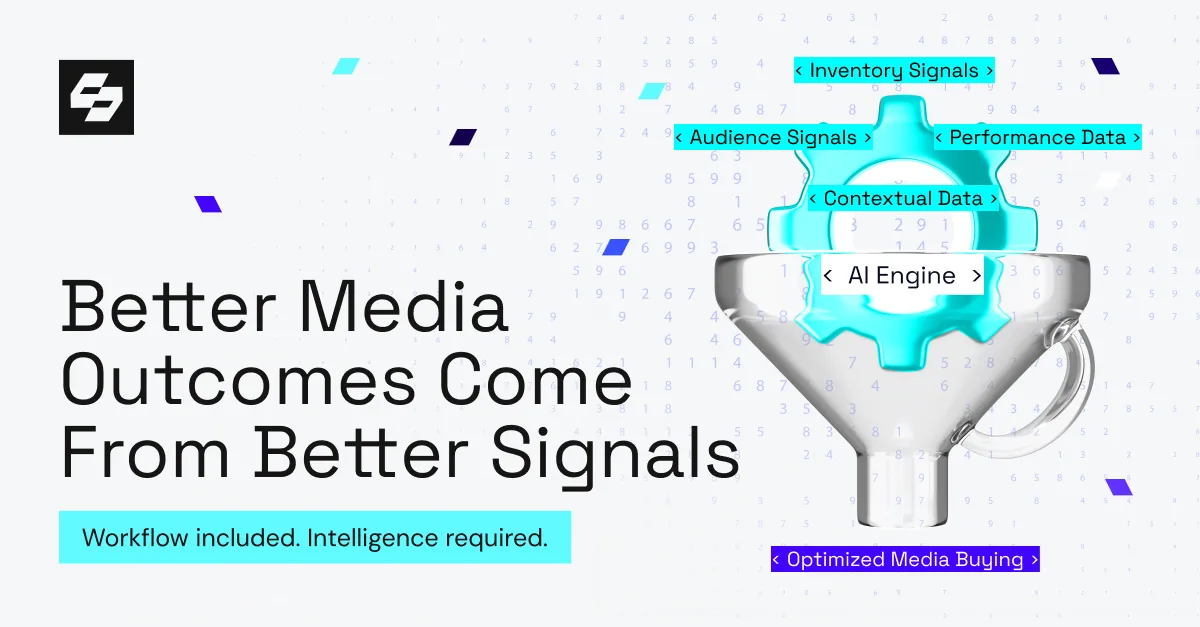
AI performance in programmatic advertising depends on signal quality — including inventory, audience, contextual, and performance data — not just workflow automation.
Data Quality Matters More Than Workflow Structure
Another critical limitation of standardized AI workflows lies in data quality. AI models learn from historical signals, and inconsistent or incomplete data can distort optimization decisions. Even the most advanced automation framework cannot compensate for inaccurate metadata or fragmented identity signals.
As privacy changes reshape the industry, the importance of reliable first-party data and structured schemas continues to grow. AI systems require clear inputs to deliver meaningful outputs. When data sources lack consistency, standardized workflows may struggle to interpret campaign objectives accurately, leading to suboptimal results.
From Screencore’s perspective, effective AI adoption begins with strengthening data foundations rather than chasing the latest automation framework. Platforms that invest in clean signal architecture and transparent supply paths create environments where AI workflows can genuinely enhance performance.
Designing an Effective AI Stack Beyond Standardization
While standardized workflows offer operational benefits, they should be viewed as one component of a broader AI strategy. Effective AI stack design requires alignment between technology, data, and business objectives. Automation should support decision-making rather than dictate it.
A well-designed AI infrastructure integrates contextual intelligence, identity frameworks, and transparent reporting into a cohesive system. Instead of focusing solely on workflow standardization, companies should evaluate how AI models interpret signals and how those interpretations influence media outcomes. This perspective shifts the conversation from automation for its own sake to automation that drives measurable value.
At Screencore, we believe that AI success comes from balance. Standards help create consistency, but strategic oversight ensures that automation remains aligned with real-world goals. The strongest programmatic ecosystems combine structured workflows with adaptive intelligence, enabling teams to move faster without sacrificing control.
The Future of AI Workflows in Advertising
The industry will continue moving toward more automated programmatic environments, but the path forward requires realism. Standardized AI workflows are valuable tools, yet they are not a universal solution. Performance improvements depend on how well systems understand context, how accurately data reflects reality, and how closely automation aligns with strategic intent.
As AI adoption accelerates, companies that focus on data quality, contextual relevance, and thoughtful infrastructure design will likely outperform those that rely solely on standardized frameworks. The future of advertising is not about removing complexity but about managing it intelligently.
Want to see what’s happening beneath the surface of AI workflows? Explore the signals, identity shifts, and infrastructure changes redefining programmatic: The Most Important AdTech Signals Shaping Programmatic Advertising Today.
Turn AI Ambition Into Real Performance
The real value of AI in programmatic isn’t in adding more tools — it’s in building a system that actually delivers stronger outcomes. At Screencore, we work with advertisers and publishers to design AI-ready infrastructure that connects data, automation, and strategy into one scalable ecosystem.
If you’re ready to move beyond experimentation and build AI workflows that drive measurable growth, let’s talk.
Because the future of programmatic isn’t just automated — it’s intelligently engineered.