


If you are still relying on the "set it and forget it" strategy for your Private Marketplaces (PMPs) in 2026, you are likely noticing a disturbing trend: silence.
For a decade, the Deal ID was the golden ticket for publishers. It was how we signaled "premium." You bundled your inventory, slapped a Deal ID on it, and buyers flocked to it to avoid the chaos of the open exchange. But the programmatic world has shifted under our feet.
Recent moves by industry giants have made the new reality undeniable: The traditional Deal ID is broken.
Buyers are no longer pretending that a generic ID string equals quality. They are actively deprecating these legacy workflows in favor of automated, transparent, and direct supply paths. If you want to protect your revenue this year, you need to understand why this shift is happening and how to fix your supply chain.
The "Premium" Illusion is Over
Why are DSPs (Demand Side Platforms) turning their backs on a tool that defined the industry for ten years?
The answer lies in efficiency. By late 2025, the "Ad Tech Tax" had become a primary target for CFOs at major global brands. Advertisers realized that many "Premium Deal IDs" were just open market inventory repackaged with higher floor prices and extra reseller fees attached.
When a DSP sees a Deal ID today, they don't just see a price tag; they analyze the path that bid request took to get there. If your Deal ID travels through three resellers and a legacy SSP before reaching the buyer, the DSP’s algorithm — now aggressively tuned for Supply Path Optimization (SPO) — will likely block it.
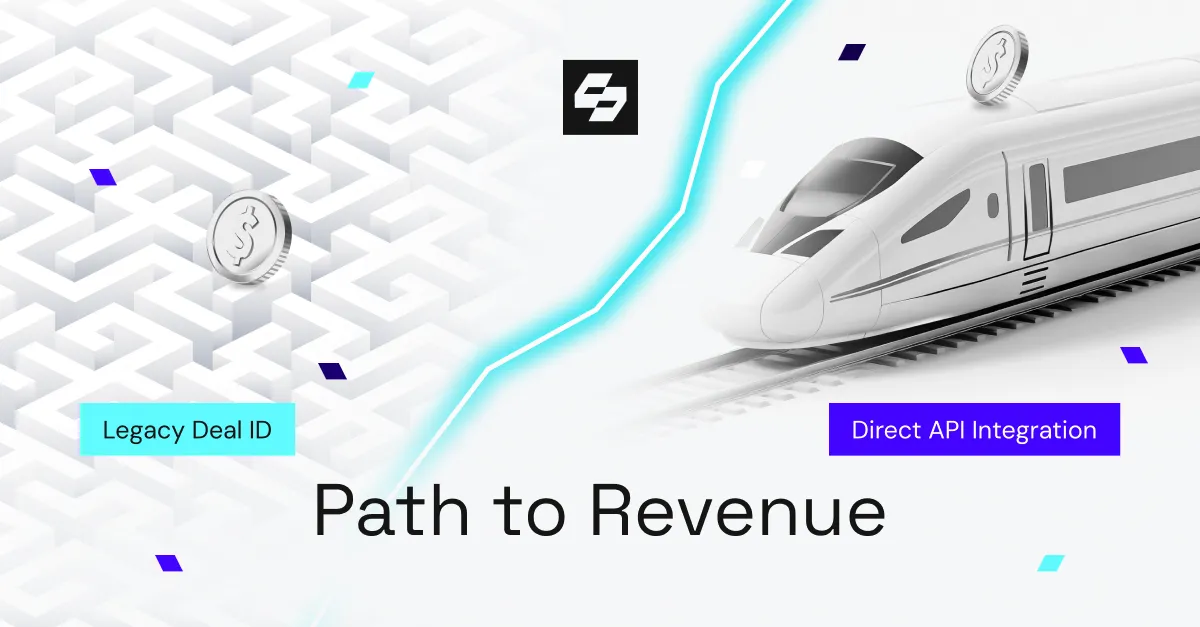
SPO Strategy 2026: The express train of Direct API integration bypassing the maze of legacy Deal IDs.
Big AdTech players have been vocal about this transition. They are pushing for API-based integrations (like Price Discovery and Provisioning APIs) that replace the static, opaque nature of Deal IDs with real-time, transparent connections. They want to know exactly what they are buying, and they want to buy it directly from the source.
What This Means for Publishers in 2026
For publishers, this is a wake-up call. The "middleman economy" is collapsing.
If your monetization strategy relies on widespread, non-exclusive reseller partnerships, your bid density is going to plummet. DSPs are consolidating their spend into fewer, cleaner pipes. They are prioritizing:
Direct Integrations. Paths that have zero hops between the publisher and the exchange.
Curated Inventory. Not just "premium" placement, but inventory enriched with verified, unique data signals.
Transparency. Full visibility into fees and auction mechanics.
If you aren't offering this, you aren't just losing "premium" deals; you are risking being cut out of the buy-side infrastructure entirely.
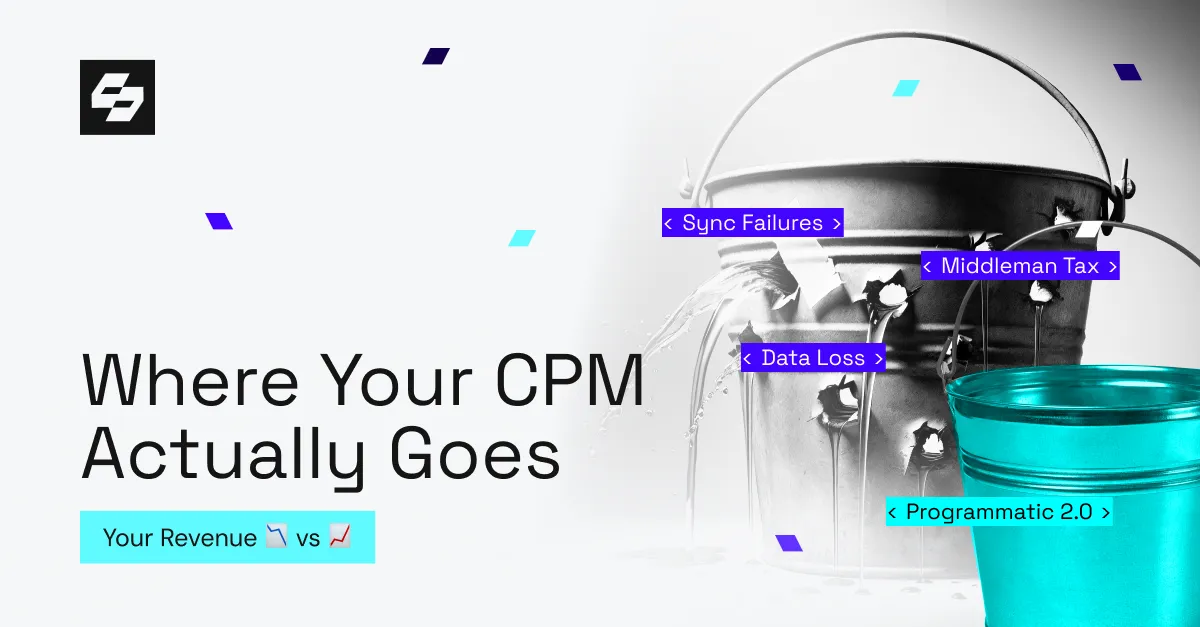
The Leaky Bucket: Visualizing where your CPM actually goes — middleman tax, sync failures, and data loss vs. pure revenue.
The New Currency: Intent and Clean Data
So, if you can't rely on the old Deal ID magic, how do you capture budgets? You must offer a product that the open market cannot replicate.
The winners in 2026 are publishers who treat their audience data as a product, not just a byproduct. Buyers are starving for intent signals. They don't just want "Auto Intenders"; they want to know who is researching a purchase right now and where their attention is focused.
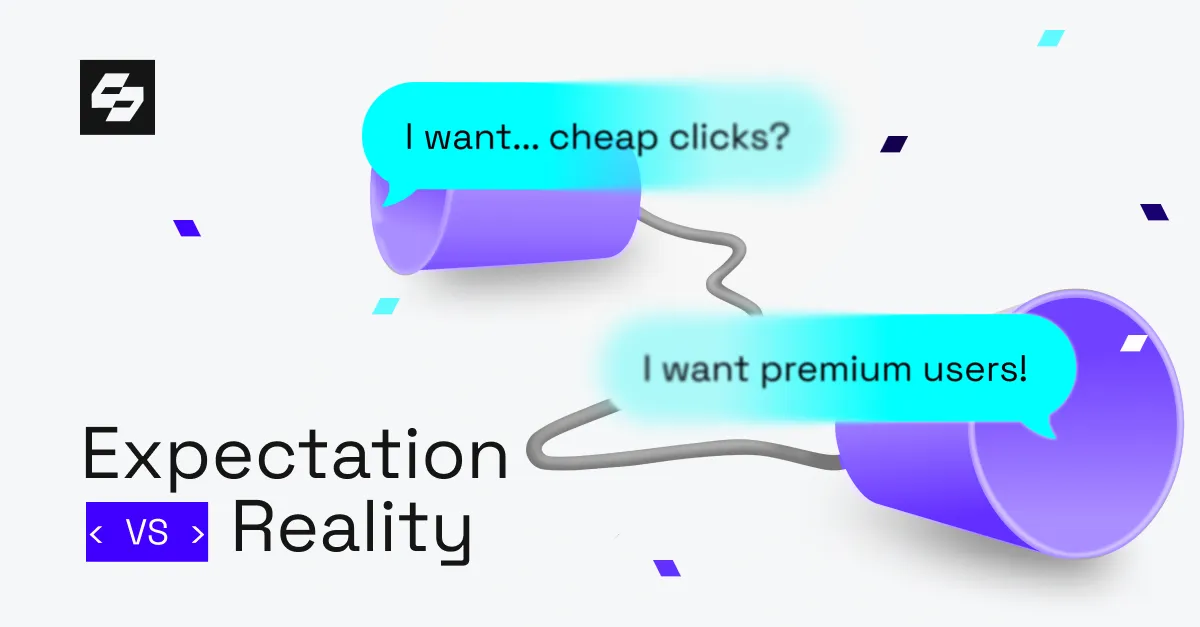
Expectation vs Reality: The tin-can disconnect between publisher "premium" goals and buyer "cheap click" demands.
This is where the intersection of AI and data strategy becomes your revenue lifesaver. You need to move beyond basic demographics and package your inventory based on real-time user intent.
To understand how advanced AI is reshaping this data layer, read our deep dive on AI-Boosted Targeting and Intent-Based Audiences. It explains how to turn your raw traffic into the high-intent segments that modern DSPs are actually bidding on.
3 Steps to Future-Proof Your Revenue
You can't control what The Trade Desk does, but you can control how you present your inventory. Here is your action plan for 2026:
1. Audit Your Supply Path
Log into your SSPs. How many resellers are authorized to sell your inventory? If the list is long and confusing, clean it up. Ideally, you want a "SPO-proof" setup where buyers can access your inventory via a single, transparent node.
2. Shift to Programmatic Direct
The "Direct" in Programmatic Direct is more literal than ever. Work with partners who facilitate direct connections to DSPs. API-based trading allows for dynamic pricing and guaranteed delivery without the friction of old-school Deal IDs.
3. Verify Your Value
Don't just claim your inventory is safe; prove it. In 2026, buyers trust third-party validation over publisher promises. Utilize independent measurement partners to verify viewability, audience authenticity, and fraud-free environments. In an era of skepticism, external verification is your best sales pitch.
Conclusion
The "death" of the traditional Deal ID isn't a disaster — it's a maturation. The market is cleaning itself up, removing the clutter and opacity that held programmatic back.
For publishers, this is an opportunity to reclaim control. By simplifying your supply path and focusing on high-intent, data-rich inventory, you can align yourself with the buying strategies of 2026. The DSPs aren't stopping their spend; they are just demanding a better way to spend it. Make sure you are the solution they are looking for.
Is your inventory ready for the SPO era?
Navigating the technical demands of 2026 is complex, but you don't have to do it alone. The Screencore team specializes in helping publishers optimize their supply paths and unlock the full value of their audience data.