


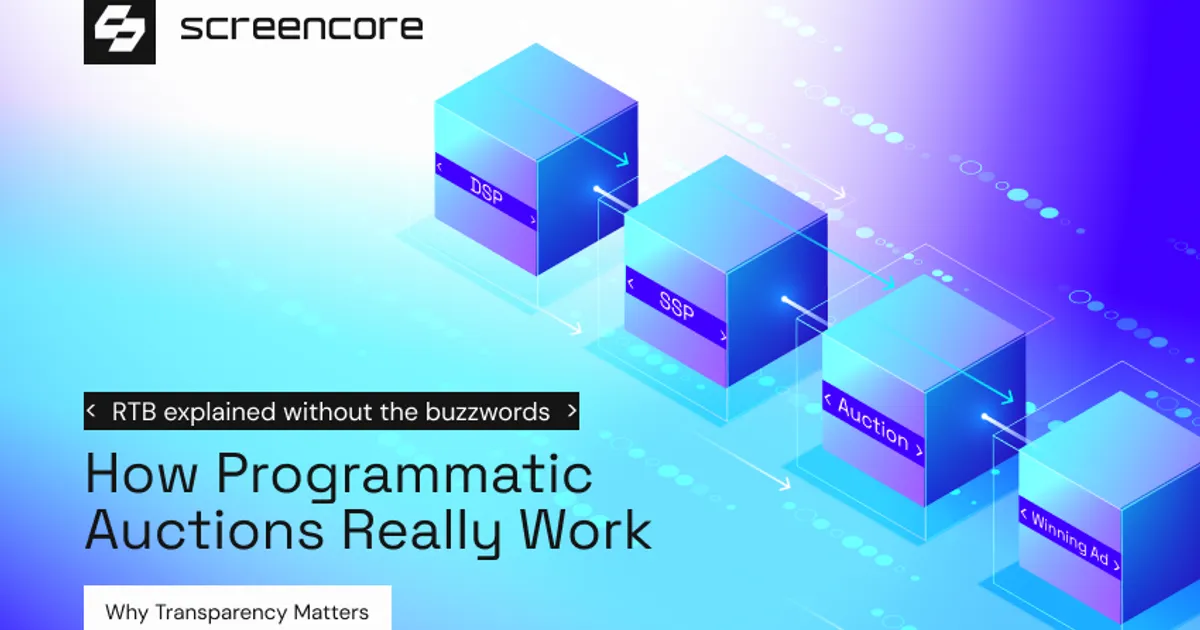
Programmatic advertising powers a massive portion of today’s digital media buying, yet many advertisers and publishers still misunderstand how auctions truly function.
Real-time bidding is often described as a simple automated process, but behind every impression sits a highly dynamic ecosystem of platforms, data signals, and optimization logic working together in milliseconds. As industry conversations around transparency become more urgent, understanding auction mechanics is no longer optional. It has become a core requirement for performance, trust, and long-term growth.
Platforms like Screencore operate as open RTB marketplaces that connect buyers and publishers through real-time auctions built for efficiency, scale, and measurable outcomes. The goal is not just to deliver impressions but to create an environment where every transaction is clear, accountable, and optimized for real value.
What Happens During a Real-Time Bidding Auction
Every time a user opens a webpage, launches an app, or starts streaming content, a new advertising opportunity appears. That single moment triggers a rapid chain of events across the programmatic ecosystem. Publishers send ad requests through supply platforms, demand sources evaluate the opportunity simultaneously, and DSP algorithms instantly analyze audience context, device signals, and campaign goals before placing bids.
Although this process takes less than a second, it is far from simple. Thousands of data points influence each decision, from historical performance patterns to real-time contextual signals. Modern RTB platforms process enormous volumes of bid requests every second, allowing advertisers to reach audiences precisely when attention is highest while helping publishers maximize revenue through competitive auctions. From the outside it may look like a single automated action, but in reality it is a continuous negotiation between technology, strategy, and market dynamics.
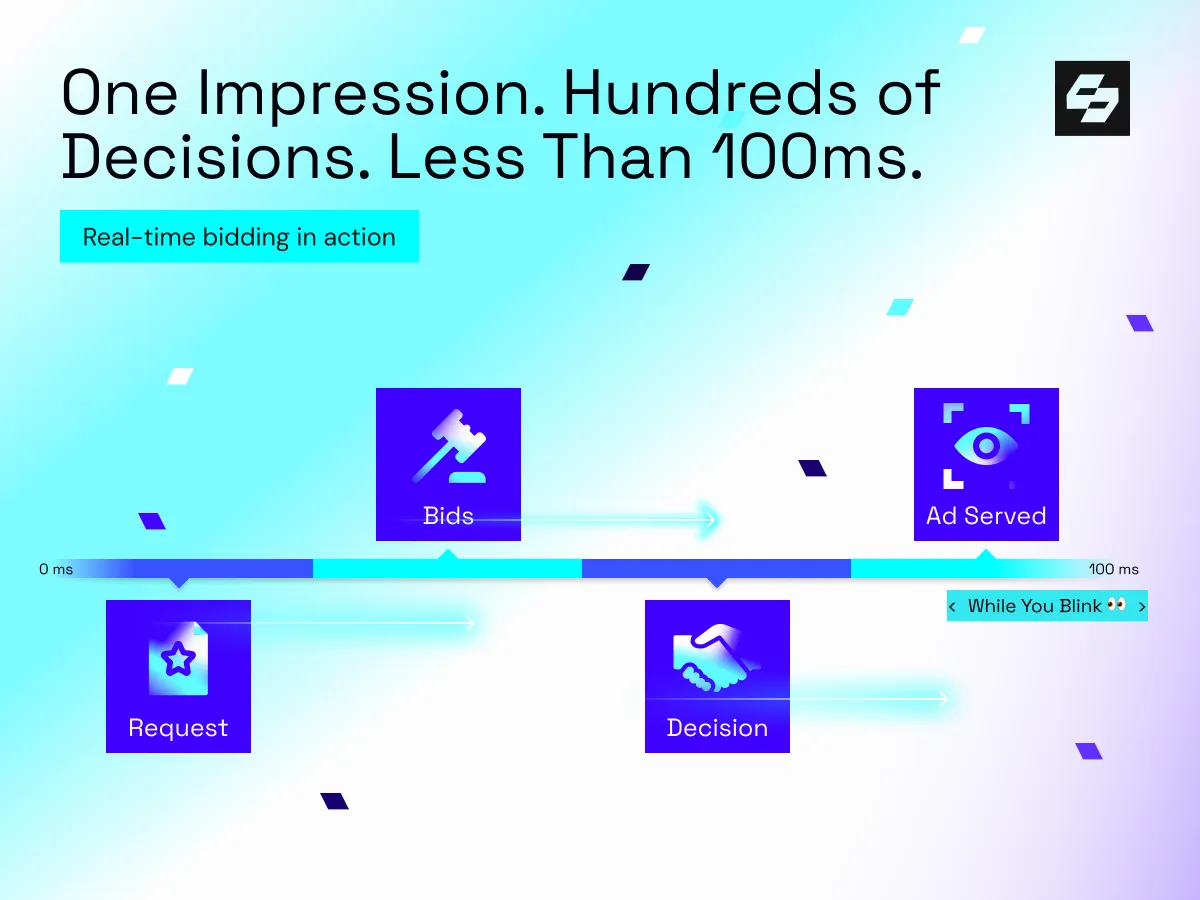
A technical breakdown of the 100ms RTB auction lifecycle, mapping the journey from initial ad request to final impression delivery.
Common Misconceptions About Programmatic Auctions
Despite its maturity, programmatic advertising still carries misconceptions that shape how teams approach buying and selling media. One of the most persistent myths is that the highest bid automatically wins every auction. In practice, pricing is only one part of the equation. Floor prices, supply path efficiency, deal structures, and transparency signals all influence which ad ultimately gets served.
Another misconception is that automation removes the need for human expertise. While algorithms accelerate execution, strategy remains the driving force behind performance. Campaign objectives, creative direction, and audience design still require human judgment to guide optimization models effectively. A third misunderstanding comes from the belief that adding more intermediaries always increases reach. In reality, overly complex supply chains often introduce inefficiencies, inflate costs, and reduce visibility into inventory quality.
As industry organizations push for clearer standards around auction transparency, more platforms are shifting toward open and explainable auction structures. This evolution is helping advertisers and publishers move away from guesswork and toward measurable trust.

Comparative analysis of programmatic myths vs. RTB reality, highlighting why transparency outweighs bid price in performance optimization.
Why Transparency Is Becoming the New Performance Driver
Transparency has evolved from a compliance requirement into a direct driver of campaign performance. When advertisers understand how auctions operate, they gain the ability to refine supply paths, reduce hidden fees, and focus budgets on premium inventory that delivers measurable outcomes. Cleaner signals lead to stronger conversion performance because optimization models rely on accurate data rather than assumptions.
For publishers, transparent auctions strengthen relationships with buyers by demonstrating inventory value and maintaining pricing integrity. Visibility allows both sides to understand how budgets flow through the ecosystem, transforming optimization from reactive adjustments into proactive strategy. Without this clarity, performance decisions become speculative. With transparency, teams gain control over outcomes and build confidence in programmatic investment.
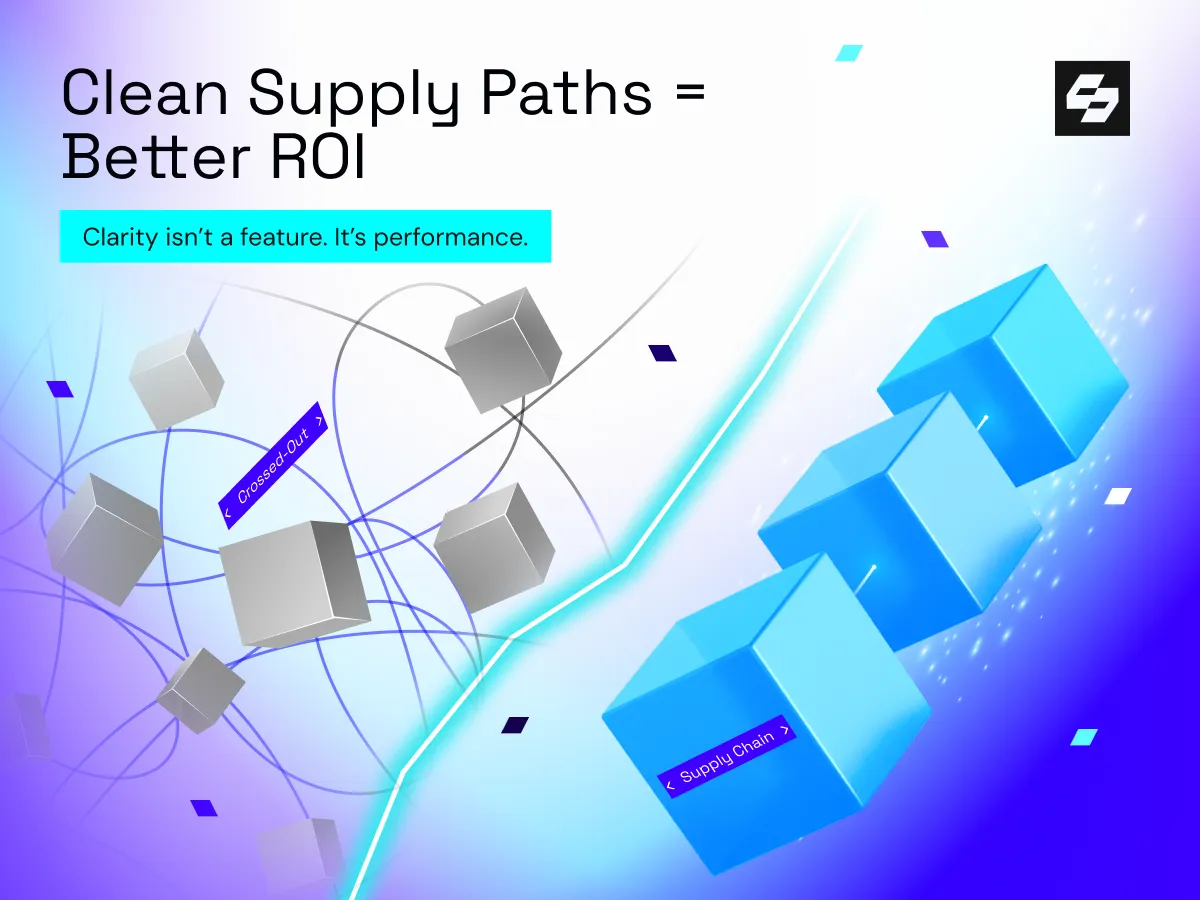
Supply Path Optimization (SPO) visualization demonstrating the correlation between transparent inventory sourcing and increased advertising ROI.
How Real-Time Data Shapes Auction Decisions
RTB auctions depend on continuous data analysis that happens far beyond simple bid price comparisons. DSP algorithms evaluate device environments, contextual relevance, behavioral patterns, and historical campaign performance to determine which impressions are worth pursuing. The objective is not simply to win as many auctions as possible but to win the right impressions that align with campaign goals.
Screencore’s open marketplace approach emphasizes visibility into these processes through real-time reporting and clear performance insights. By understanding how auctions behave in real time, advertisers can adjust strategies dynamically, balancing cost efficiency with brand impact. This level of clarity allows teams to move beyond static planning and toward adaptive optimization that evolves alongside audience behavior.
The Role of Open Marketplaces in Modern Auctions
As programmatic continues to evolve, open RTB environments are becoming increasingly valuable for both flexibility and scale. Unlike closed ecosystems, open marketplaces encourage fair competition across multiple demand sources, giving advertisers access to diverse inventory while enabling publishers to maximize yield through broader participation. This openness helps drive higher CPM opportunities while maintaining access to high-quality audiences across web, mobile, and CTV environments.
However, openness alone is not enough. True growth depends on accountability. Transparent reporting, verified supply paths, and clear auction mechanics ensure that expanding reach does not compromise trust. Platforms that balance accessibility with rigorous standards are positioned to lead the next phase of programmatic innovation.
Why Transparent Auctions Build Stronger Partnerships
Programmatic advertising ultimately succeeds when buyers and sellers operate with shared understanding. Transparent auctions create alignment by clarifying how bids are evaluated, how pricing evolves, and how inventory quality is measured.
Advertisers gain confidence that budgets are working efficiently, while publishers maintain control over inventory value and attract premium demand partners who prioritize clarity.
The industry is gradually shifting away from opaque processes toward environments where openness becomes a competitive advantage. Platforms that simplify complexity without hiding key mechanics are helping redefine how collaboration works across the programmatic ecosystem.
Looking Ahead: The Future of Programmatic Auction Models
As privacy regulations reshape data usage and traditional identifiers continue to disappear, auction mechanics will evolve toward more contextual and privacy-friendly approaches. Future programmatic environments are likely to prioritize simplified supply chains, clearer measurement standards, and optimization models built around transparency rather than opacity.
This shift will reward platforms that communicate openly about how auctions function. Brands and publishers increasingly expect to understand bid logic, pricing dynamics, and reporting structures. Transparency is no longer a differentiator; it is becoming the foundation of sustainable programmatic growth.
Want to Learn More About the Future of Programmatic?
Understanding auctions is only one piece of the evolving adtech landscape. If you want to explore how AI is reshaping automation and optimization across mobile environments, read our previous article here.
Conclusion — Transparency Is the New Advantage
Programmatic auctions remain one of the most powerful tools in digital advertising, but their real value emerges only when teams understand how they truly work. By simplifying auction mechanics and prioritizing openness, advertisers can make smarter bidding decisions, publishers can protect inventory value, and platforms can build lasting trust across the ecosystem.
At Screencore, our mission is to move programmatic toward greater clarity. Through real-time insights, scalable performance solutions, and a transparent RTB environment, we help brands and publishers navigate auctions with confidence and control.
Ready to Unlock Transparent Programmatic Performance?
Discover how Screencore helps brands and publishers succeed through clear auction mechanics, real-time optimization, and open marketplace innovation.
Let’s build smarter, more transparent programmatic campaigns — together.