



Programmatic advertising saw Deal-IDs as the ultimate safety net — a premium guarantee of cleaner inventory and control. Advertisers embraced them to navigate the inherent chaos of open markets. That paradigm has shifted. Deal-IDs have failed to adapt to the speed and complexity of the modern ecosystem, rendering what was once precision into friction.
But the industry has changed. And today, Deal-IDs are no longer delivering the clarity they once promised.
Even major platforms are stepping away from pretending that Deal-IDs work the way they were intended. What was designed to simplify buying has quietly turned into another layer of opacity — one that hides inefficiencies instead of eliminating them.
The future of programmatic isn’t about locking supply behind IDs. It’s about making auctions transparent by design.
How Deal-IDs Lost Their Advantage
Deal-IDs were created to give advertisers preferential access to inventory. In theory, a Deal-ID meant a known publisher, a fixed path, and a predictable outcome. In practice, that promise has eroded.
Today, many Deal-IDs are duplicated, resold, bundled, and layered across multiple intermediaries. The same impression can appear under different Deal-IDs, across different SSPs, at different prices — all while claiming to be “premium.”
For advertisers, this creates a dangerous illusion of control. You see a Deal-ID, but you don’t see how many times that inventory has been repackaged. You pay a premium CPM, but you don’t always get premium signal quality. And because Deal-IDs often bypass standard auction transparency, it becomes harder to audit performance, compare paths, or understand where inefficiencies creep in.
What was meant to reduce noise now often amplifies it.

Deal-ID: Just a Label? Stop guessing. True programmatic transparency answers: "What exactly are you buying?"
What Transparent Auctions Do Differently
Transparent auctions flip the logic. Instead of hiding supply behind labels, they expose the mechanics of how impressions are bought and sold.
In a clean auction environment, advertisers see the supply path clearly. They know where the impression originates, how many hops it takes, and whether it’s direct or resold. Bidding decisions are based on real signals — not assumptions baked into an ID.
At Screencore, transparent auctions are not a fallback to “open market chaos.” They are structured, enforced, and filtered in real time. Our platform connects over 300 buyers directly to more than 15,000 publishers, processing hundreds of thousands of requests per second while actively rejecting resold, duplicated, and low-integrity inventory.
The result isn’t more volume. It’s better signal.

Lighthouse Strategy. Maximize value and trust with transparent auctions. Full visibility is key to superior programmatic performance.
What Advertisers Lose When They Cling to Deal-IDs
The biggest loss is flexibility. Deal-IDs lock advertisers into predefined paths that don’t always adapt to performance. If the deal underperforms, optimization options are limited. Budgets stay trapped inside structures that were negotiated upfront, not validated in real time.
There’s also a loss of pricing efficiency. When the same inventory is bundled into multiple Deal-IDs, advertisers can end up bidding against themselves — driving CPMs up without improving outcomes.
And finally, there’s a loss of visibility. Without full auction transparency, it becomes harder to answer basic questions: - Why did this impression win? - Was there a better path? - Did we pay a premium for convenience rather than value?
What Advertisers Gain When Auctions Evolve
Transparent auctions restore accountability. Every impression competes on its actual merit, not on how it’s labeled.
Advertisers gain cleaner bidstreams, more consistent pacing, and signals they can trust. They gain the ability to optimize dynamically — shifting spend toward placements, formats, and publishers that perform, not just those that sit behind a Deal-ID.
Publishers benefit too. In transparent auctions, quality supply is rewarded directly. Premium publishers don’t have to rely on opaque packaging to justify higher CPMs. Their value is proven in real time.
And users win. Cleaner auctions reduce fraud, latency, and poor ad experiences — strengthening the ecosystem instead of draining it.
Why the Industry Is Moving On
Even the largest ad tech players are acknowledging what buyers have felt for years: Deal-IDs don’t scale trust. They scale complexity.
As programmatic matures, performance is no longer defined by access — it’s defined by integrity. Platforms that can verify supply paths, enforce clean auctions, and remove low-quality inventory automatically are setting the new standard.
At Screencore, we see this shift daily. Advertisers aren’t asking for more private deals. They’re asking for predictable outcomes, verified signals, and transparency they can measure.
The Smarter Path Forward
The evolution away from Deal-ID dependency doesn’t mean abandoning control. It means rebuilding it at the auction level.
High-integrity auctions give advertisers the best of both worlds: scale without chaos, and control without opacity. They remove the need for artificial labels by ensuring that every impression entering the auction meets quality standards by default.
This is where programmatic is heading — not backward to closed systems, but forward to cleaner, more accountable ones.
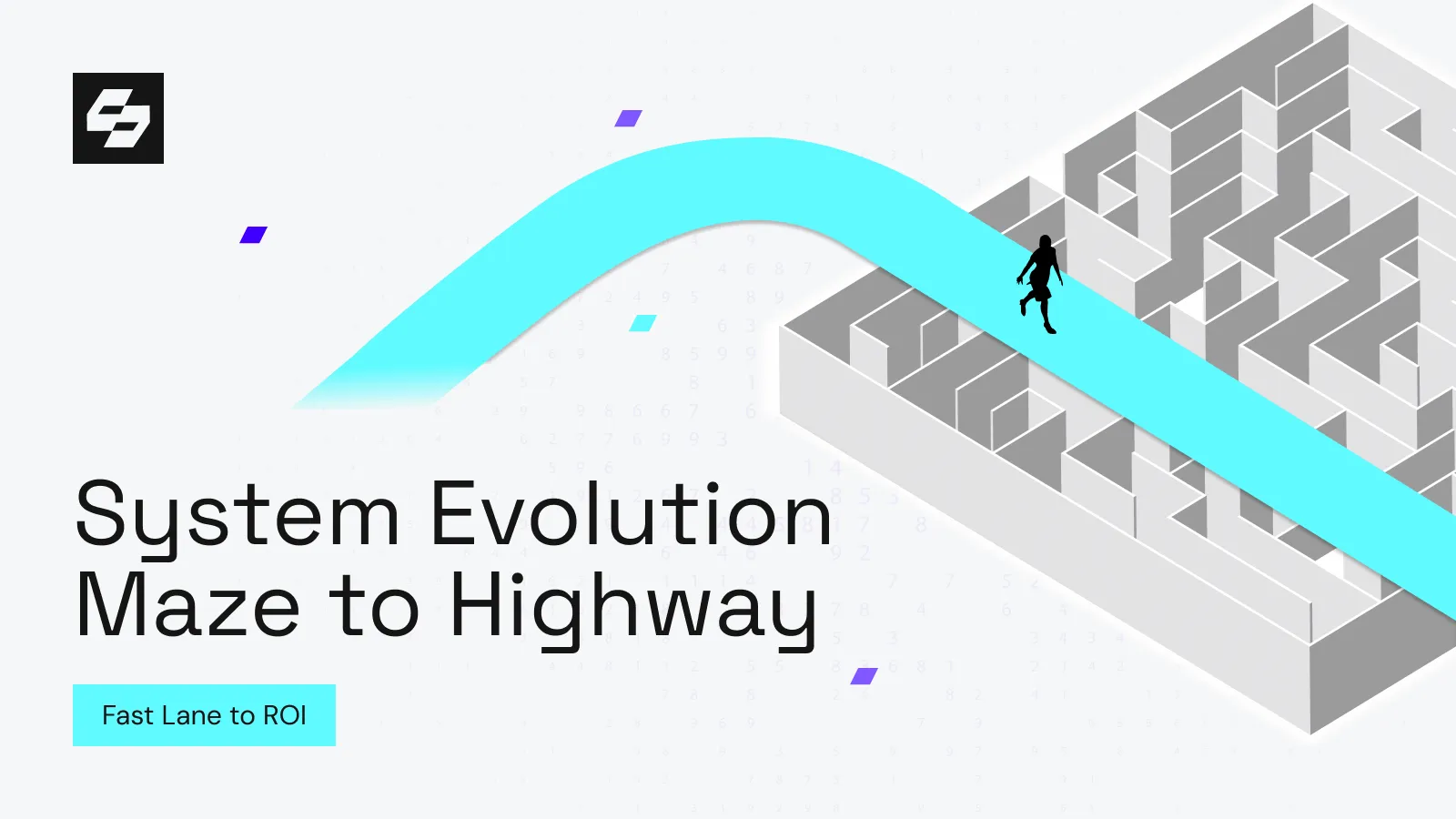
Maze to Highway. Skip the old Deal-ID complexity. The API-driven path ensures a fast lane to ROI and predictable growth.
If you want to explore how clean auction principles are reshaping CTV and inventory integrity, we recommend reading our previous article “On-Demand Audience Curation vs Data Packages”.
The Bottom Line
Deal-IDs were a response to a broken system. Transparent auctions are how the system heals.
As advertisers demand clarity, DSPs and marketplaces must choose: preserve outdated shortcuts, or evolve toward structures that reward real value.
At Screencore, we’ve already made that choice.
Time to Unlock True Programmatic Value?
If your team is tired of opaque auctions and Deal-IDs hiding the true quality of inventory, it's time for a change. Build your campaigns on clean, high-integrity data that delivers.
We help Marketing Managers like you turn ad spend into tangible business results.
Take the first step toward 100% transparent reporting and superior campaign performance.
Book a Strategic Programmatic Consultation with Screencore today.