



Open access, transparent buying, and limitless scale across the open web have been the cornerstone of the programmatic advertising promise. But in 2026, that promise is under pressure.
The balance is shifting. Walled gardens are growing stronger. The open web is losing share. And programmatic access — once the backbone of digital advertising — is quietly shrinking.
This isn’t just a market evolution. It’s a structural change that is redefining how advertisers reach audiences, how publishers monetize content, and how adtech platforms operate.
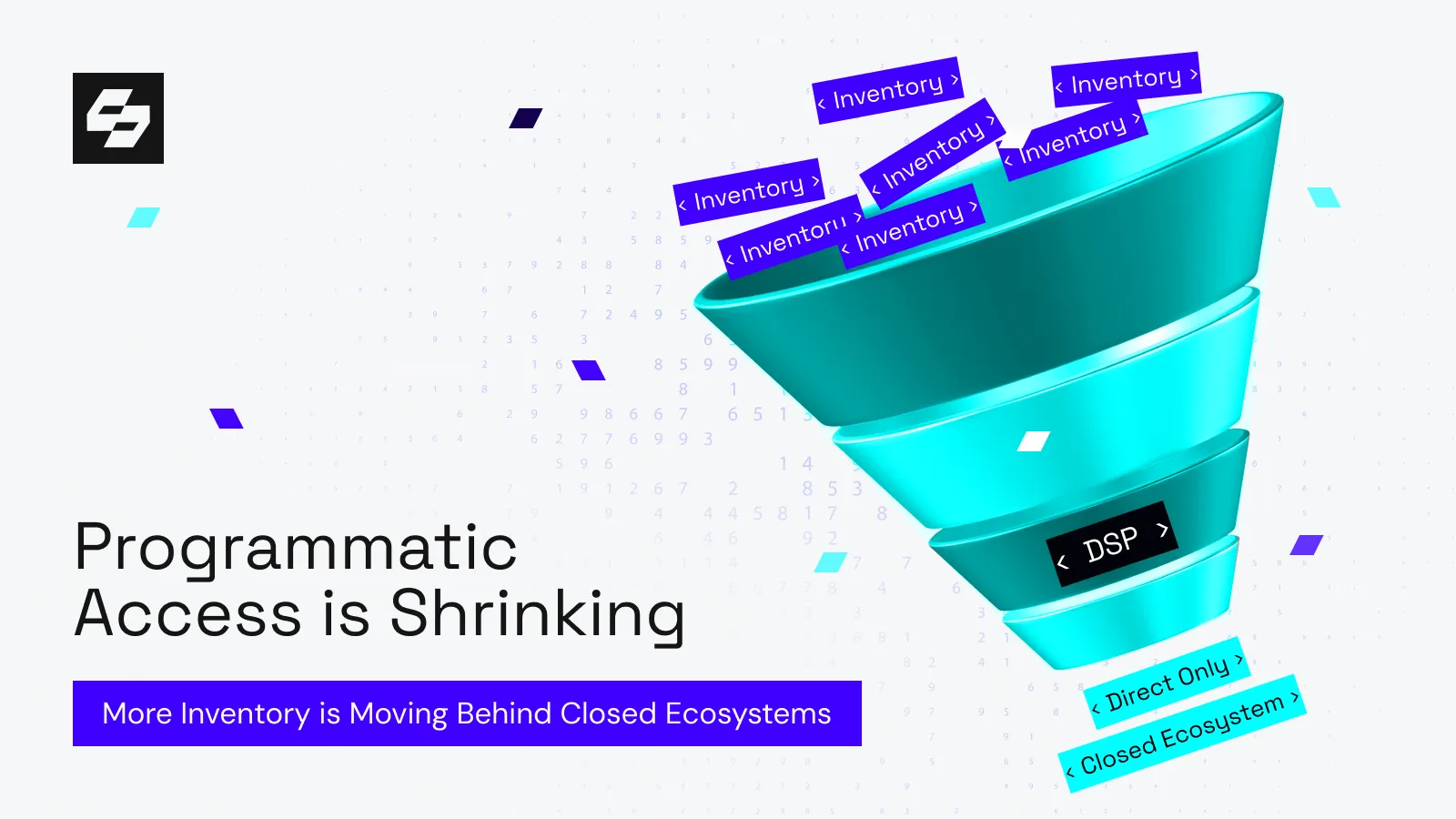
Direct-to-publisher shifts and platform lockdowns are choking the traditional programmatic pipeline, forcing a radical rethink of how we source global reach.
The Rise of Walled Gardens
Walled gardens like Google, Meta, and Amazon have built powerful ecosystems where everything happens inside their controlled environments. They own the data, the inventory, and the measurement.
That control is exactly what makes them attractive.
Advertisers get access to rich first-party data, precise targeting, and closed-loop attribution. Consumers stay logged in, generating continuous behavioral signals. The result is a highly efficient system that is hard to compete with.
It’s no surprise that these platforms dominate digital advertising. Today, a significant share of ad spend flows into these ecosystems, leaving less room for the open web to compete.
At the same time, consumer behavior reinforces this trend. Users increasingly discover products, consume content, and make purchases inside these platforms, making them even more valuable to advertisers.
The Open Web Is Losing Ground
The open web still represents scale, diversity, and independence. But its share of ad revenue is shrinking.
Industry discussions highlight a clear pattern: walled gardens dominate traffic and revenue, while referral traffic declines and independent publishers struggle to maintain growth.
This shift is not happening overnight. It’s the result of years of gradual consolidation.
Ad dollars followed performance. Performance followed data. And data concentrated inside platforms.
As a result, the open web is facing a paradox. It still offers massive reach and transparency, but it lacks the unified data and seamless measurement that advertisers now expect.
Why Programmatic Access Is Shrinking
Programmatic advertising was built for the open web. It enabled automated buying across thousands of publishers, creating efficiency and scale.
So why is access shrinking?
1. Data Fragmentation and Privacy Pressure
The deprecation of third-party cookies and stricter privacy regulations have made it harder to track users across the open web.
Without consistent identity signals, targeting becomes less precise. Measurement becomes less reliable. And advertisers shift budgets to environments where data is still strong — namely, walled gardens.
2. Supply Complexity
The open web is fragmented by design. Thousands of publishers, multiple SSPs, DSPs, and intermediaries create a complex supply chain.
This complexity increases costs and reduces transparency. It also makes optimization harder.
In contrast, walled gardens offer simplicity. One platform, one dataset, one interface.
Convenience wins.
3. Quality Perception
Another challenge is perception. Buyers often struggle to define and measure quality on the open web.
Without standardized metrics, decision-making becomes cost-driven rather than value-driven. This leads to a race to the bottom, where cheap inventory dominates instead of high-quality environments.
4. AI and Platform Acceleration
The rise of AI is accelerating the shift.
Large platforms are integrating AI into search, content discovery, and advertising. This keeps users inside their ecosystems longer and reduces the need to explore the broader web.
In parallel, AI-driven ad products within walled gardens make campaign execution even easier and more efficient.
The Hidden Cost of Closed Ecosystems
While walled gardens offer efficiency, they come with trade-offs.
Lack of transparency is one of the biggest concerns. Advertisers often have limited visibility into how campaigns perform beyond platform-reported metrics.
There is also growing dependence. As more budgets move into closed ecosystems, advertisers risk losing control over pricing, data, and strategy.
Industry voices increasingly warn about this imbalance. Overreliance on platforms can limit innovation and reduce competitive diversity across the digital ecosystem.
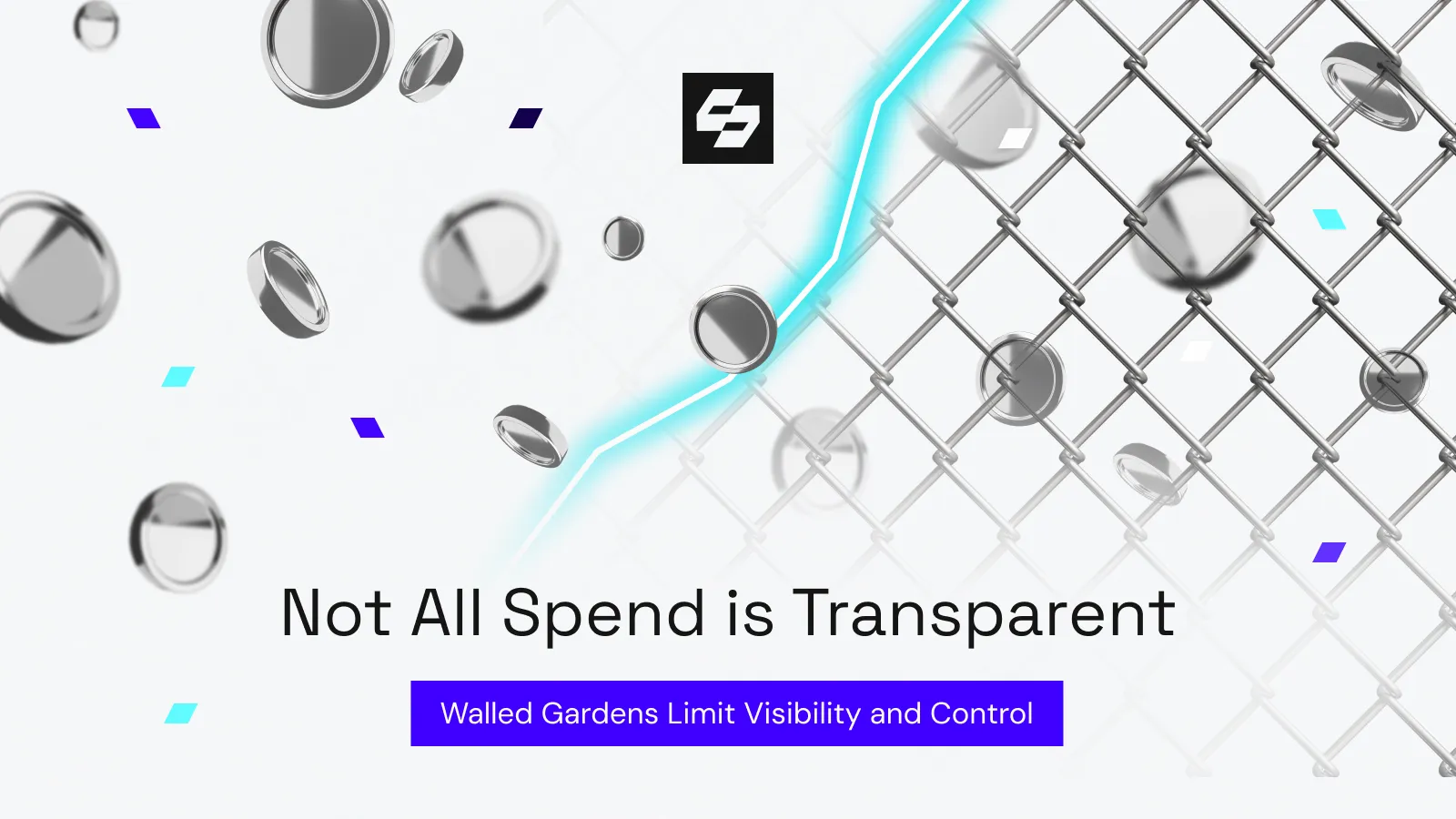
Walled gardens offer scale but sacrifice visibility. This image illustrates the "transparency tax" paid when ad spend moves behind closed platform walls.
Why the Open Web Still Matters
Despite the challenges, the open web is far from dead.
In fact, it remains essential for a healthy digital ecosystem.
It offers transparency, flexibility, and access to diverse audiences. It supports independent publishers and premium content. And it enables advertisers to build strategies beyond platform limitations.
Consumers also continue to spend significant time across the open internet, interacting with a wide range of content and experiences.
The opportunity is still there. But it requires a new approach.
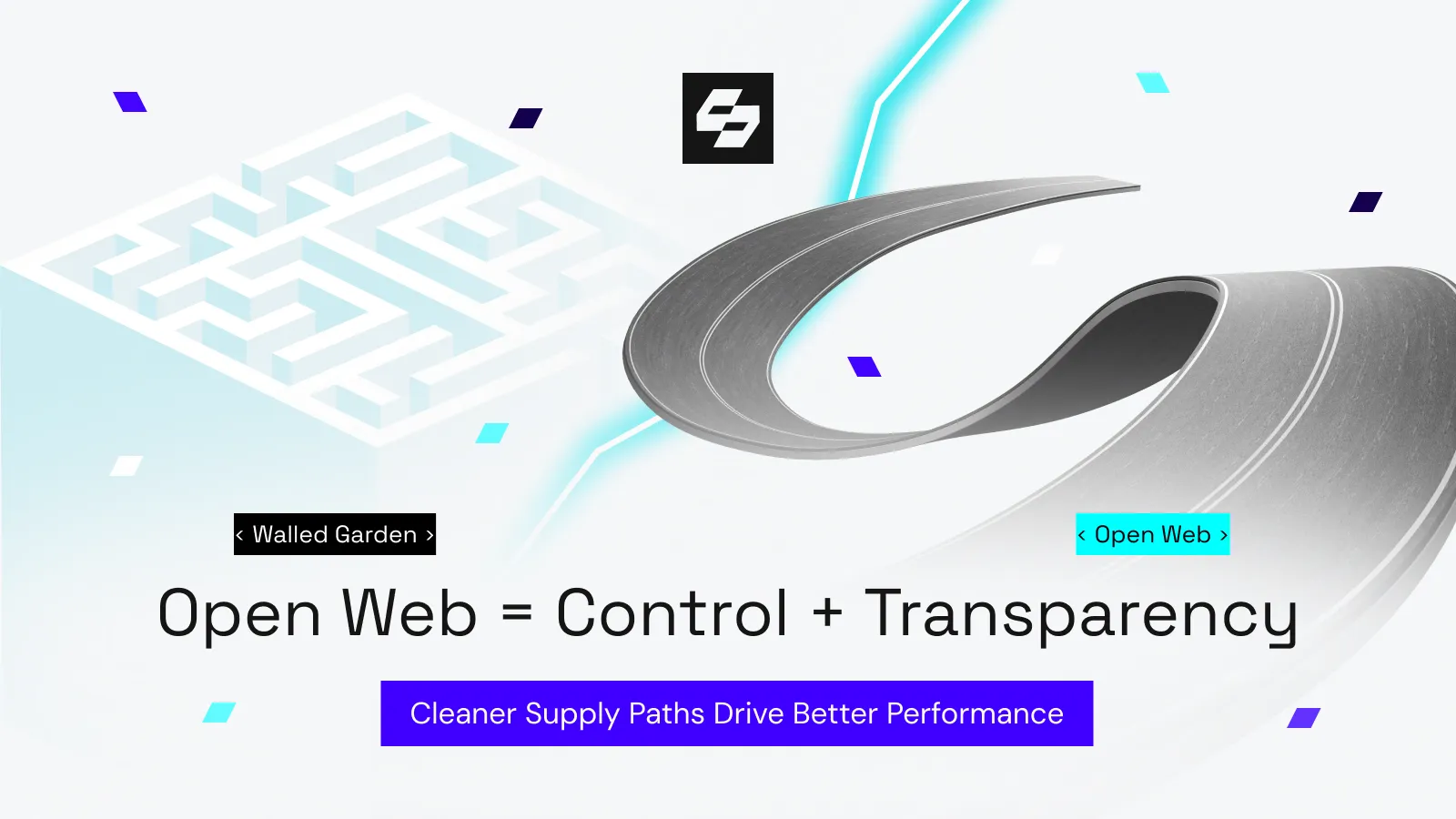
While walled gardens create a maze of proprietary signals, the open web provides a direct, transparent route to your audience through cleaner supply paths.
The Future: Not Either-Or, But Both
The industry is moving toward a more balanced reality.
The question is no longer “open web vs walled gardens.” It’s how to connect both.
An omnichannel strategy is becoming essential. Advertisers need the precision of walled gardens and the scale and transparency of the open web.
At the same time, new technologies are emerging to bridge the gap. Solutions that unify data, simplify workflows, and improve measurement across environments are gaining traction.
The goal is clear: reduce fragmentation and restore control.
A Turning Point for Programmatic
2026 marks a turning point.
Programmatic advertising is evolving from open-web automation to a broader, more complex ecosystem that includes both open and closed environments.
The challenge for advertisers is to navigate this shift without losing efficiency or transparency.
The challenge for publishers is to rebuild value and differentiate their inventory.
And the challenge for adtech platforms is to simplify complexity and reconnect the ecosystem.
Digital accessibility may seem like a compliance checkbox — but in reality, it’s a powerful driver of engagement, reach, and performance across omnichannel campaigns. Understanding how inclusive experiences impact user behavior is key to unlocking better results and real efficiency.
Read the full article to see how accessibility directly improves ad performance — explained in a clear, practical way.
Ready to Take Back Control?
At Screencore, we help advertisers and publishers simplify programmatic, reduce fragmentation, and unlock the full value of the open web.
If you’re ready to move beyond complexity and build a smarter, more connected strategy — let’s talk.